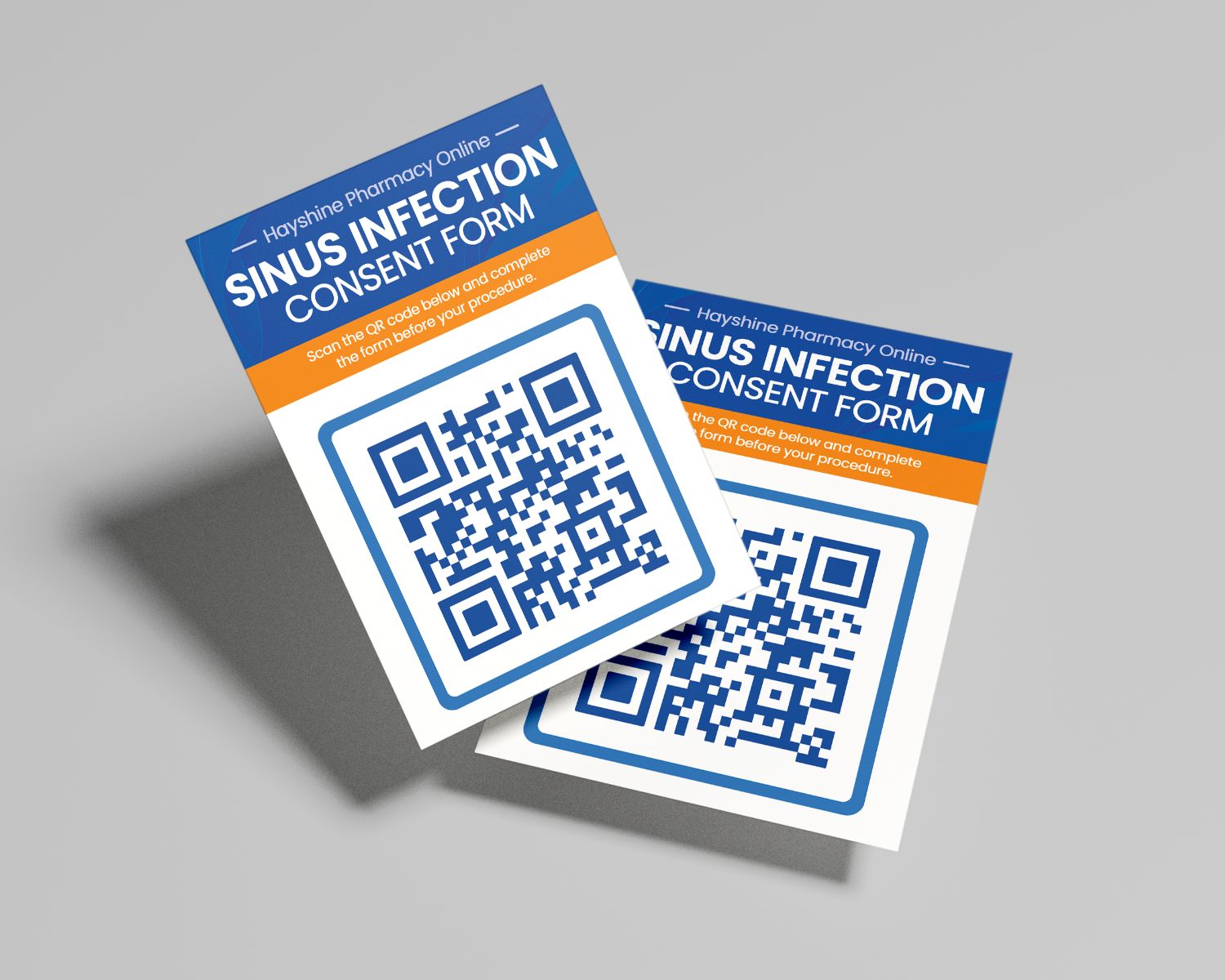
Website accessibility is no longer a nice-to-have for independent pharmacies. It is now an essential part of running a modern, patient-focused business. A website that every patient can use—regardless of age, ability or device—sets your pharmacy apart and helps you meet both legal duties and community expectations. This guide explains why accessibility matters, the common barriers to avoid and the practical steps you can take. We also show how Pharmacy Digital supports independent pharmacies to build accessible, effective online and in-store experiences.
Why Website Accessibility Matters for Your Pharmacy
- Accessibility ensures every patient in your community can use your site, regardless of ability or device.
- UK regulations and NHS expectations increasingly highlight digital inclusion for healthcare providers.
- An accessible website builds trust and widens your reach, especially for elderly and disabled patients.
In practice, website accessibility is about making sure no patient is left behind. Many people rely on pharmacy sites for prescription orders, health information and service bookings. If your site is difficult to use, you risk losing business and failing to serve key groups in your local area. Accessible web design also helps with search visibility and meets the standards set by the NHS and the Equality Act. For forward-thinking pharmacy owners, accessibility is both a legal responsibility and a chance to demonstrate care for every patient.
Common Accessibility Barriers on Pharmacy Websites
- Small text, low contrast and crowded layouts make information hard to read.
- Online forms without clear labels or instructions can exclude some users.
- Failure to support keyboard navigation or screen readers limits access for many patients.
Many independent pharmacy websites still use design choices that cause real problems for users. Small fonts and poor colour contrast make it hard for people with visual impairments or older patients to read vital information. Overly busy layouts or menus create confusion. Online forms are often missing clear labels or guidance, making it difficult for those using screen readers or assistive technology. Simple steps can make a big difference, but it starts with recognising these common issues.
Practical Steps to Improve Accessibility Today
- Review your website for simple adjustments: increase font size, improve contrast and simplify navigation.
- Add alt text to all images and make sure buttons and forms are clearly labelled.
- Test your site with free tools and involve real users with different needs for feedback.
Start by viewing your site as a patient would. Check that the text is large enough and easy to read, especially on mobile devices. Use strong colour contrast between backgrounds and text. Keep navigation simple and consistent, with clear menus and logical page structures. Add alt text to every image, so screen readers can describe them to visually impaired users. Label all buttons and form fields, not just for clarity but for accessibility tools too. Free online checkers such as WAVE or Axe can help spot issues, but nothing beats asking real patients—especially those with accessibility needs—to try your site and share honest feedback.

Connecting Accessibility to Online Bookings and Services
- Accessible booking forms reduce missed appointments and improve patient uptake.
- Clear, easy-to-use service pages help patients find NHS and private services quickly.
- Pharmacy Digital integrates accessible online booking systems that meet UK standards.
Accessible design is especially important for online bookings and service information. If your booking forms are easy to use for everyone, you will see fewer missed appointments and greater uptake of your NHS and private services. Clear, structured pages help patients find what they need without frustration. Pharmacy Digital builds online appointment systems for independent pharmacies that are tested for accessibility and align with UK best practice. Making every part of your site user-friendly improves both patient satisfaction and business outcomes. For more on how a better online presence can drive bookings, see our project case studies.
The Role of Print, In-Store Materials and Branding in Accessibility
- Consistent branding across print and digital helps patients recognise your pharmacy online and in person.
- In-store posters and leaflets should follow the same accessibility principles as your website.
- Pharmacy Digital provides accessible print and promotional materials for seamless patient experience.
Accessibility is not just about your website. Patients interact with your pharmacy through leaflets, posters and in-store displays as well. Consistent branding and clear design across all print and digital materials help patients recognise and trust your business. Make sure print items use large, readable fonts, strong contrast and straightforward language. At Pharmacy Digital, our print and promotional services ensure every patient can access your information, whether online or in your pharmacy. Learn more about our approach to accessible print at our print and promotional services page.
Taking the Next Step: Expert Support for Accessible Pharmacy Websites
- Pharmacy Digital offers website audits, accessible design updates and ongoing support for independent pharmacies.
- See real results from local pharmacies in our recent case studies.
- Monthly growth packages include regular accessibility checks and updates.
Making your website accessible need not be overwhelming. Pharmacy Digital provides expert audits, practical design updates and ongoing accessibility support for independent UK pharmacies. Our monthly growth packages include regular checks to keep your site up to date and compliant. Visit our services page to see how we can help.
Ready to create a more accessible pharmacy website?
If you want to make your website work for every patient, we are here to help. Book a free accessibility audit or speak to our team for practical advice on digital and in-store improvements. https://pharmacydigital.co.uk/contact/
Frequently Asked Questions
What are the legal requirements for pharmacy website accessibility in the UK?
Pharmacy websites must comply with the Equality Act and meet reasonable accessibility standards. NHS and public sector sites are expected to follow WCAG guidelines. Making your site accessible is not just good practice but helps meet both legal and ethical obligations.
How can I check if my pharmacy website is accessible?
Start by using free online accessibility tools to scan your site for common issues like contrast, font size and missing alt text. You can also ask Pharmacy Digital for a professional audit and practical recommendations.
Does accessibility help with online bookings and service uptake?
Yes. An accessible website makes it easier for all patients to book appointments, order repeat prescriptions or find information. This leads to higher engagement, fewer missed bookings and a better overall patient experience.
Disclaimer: This article offers general guidance on pharmacy marketing and website design. For regulatory or clinical matters, consult official sources or a qualified professional.